
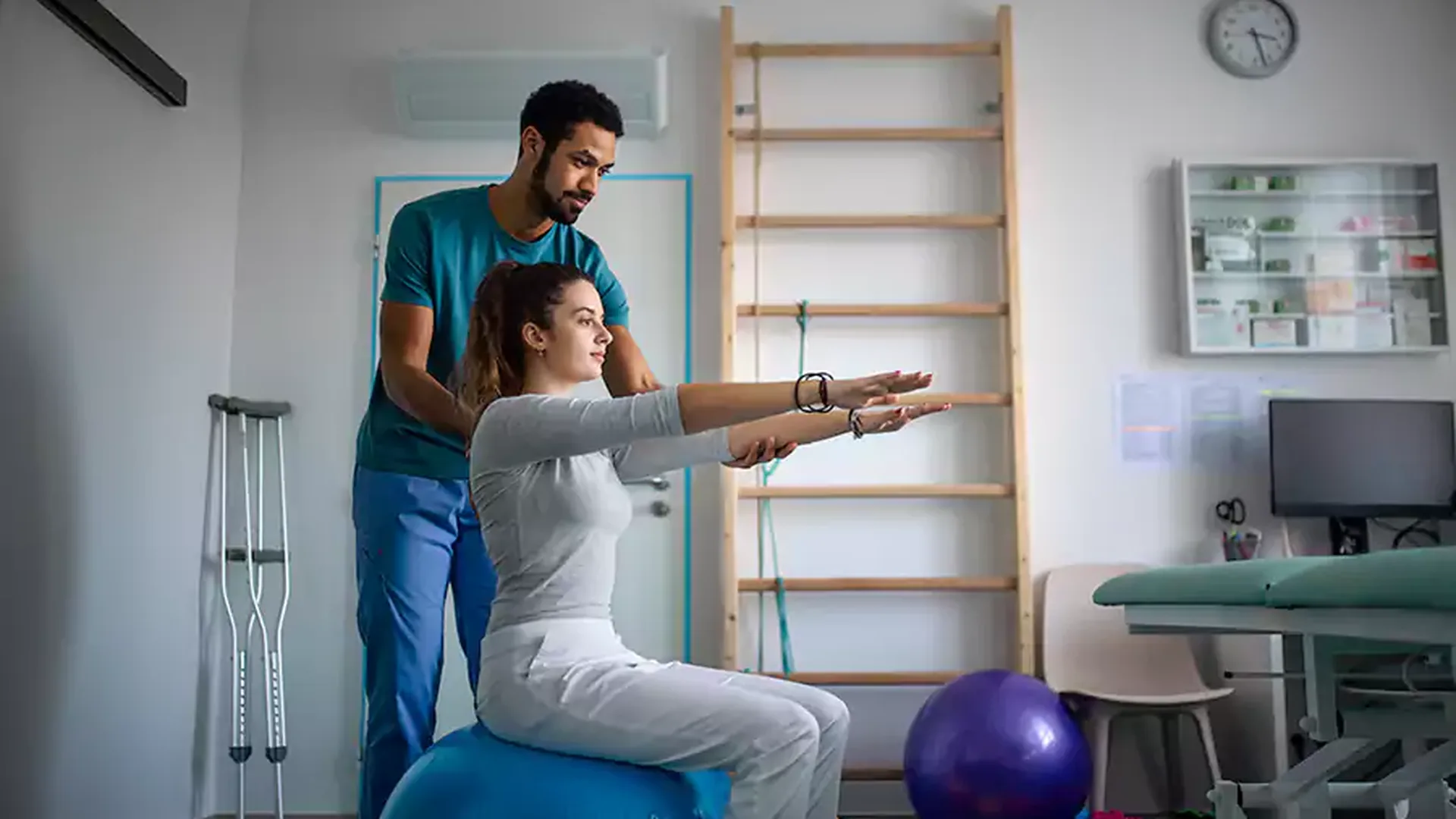
Pain rooted in the pelvic floor's supporting muscles.
The pelvic floor is made up of sling-like muscles that support the bladder, uterus, and rectum. Tension or pain in this area can stem from muscle imbalances, nerve or joint problems, scar tissue after surgery, childbirth, or radiation.
Related conditions like hemorrhoids, anal fissures, and organ prolapse can also contribute to pelvic pain, and symptoms may include pain, difficulty sitting, or discomfort in the buttocks, hips, and lower abdomen. Muscle imbalances around the pelvis can also contribute to vulvar vestibulitis.
Rehabilitation can include manual therapy, pelvic floor relaxation techniques, postural and therapeutic exercise, electrical stimulation, and biofeedback.
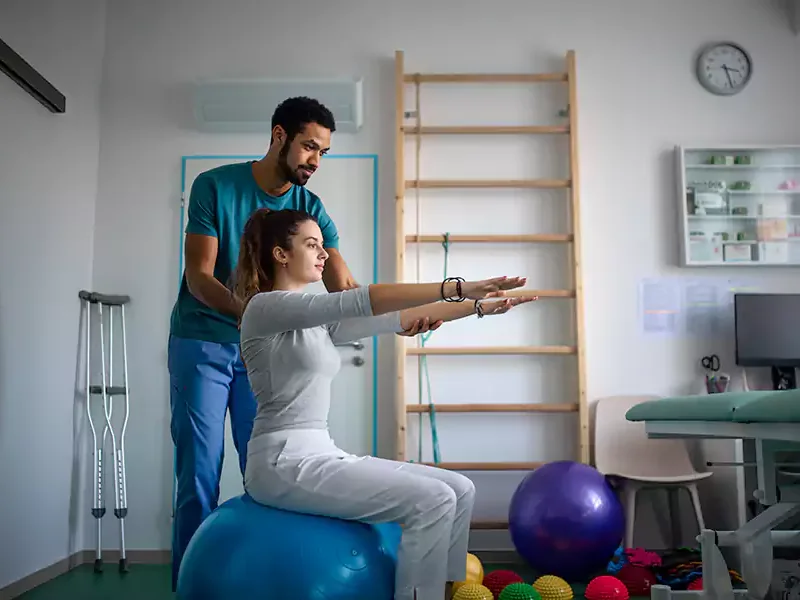
A specialized, hands-on approach to pelvic floor relaxation.
Treatment centers on releasing pelvic floor tension through manual therapy and relaxation-focused exercise, combined with biofeedback to help you regain control of these muscles.
No referral needed. Most insurances accepted. In most cases, you can be seen within the same week.
Schedule Your Appointment
No referral needed. Most insurances accepted. Same-week appointments available.
Your first visit is a thorough evaluation: come in, tell us everything, and leave with a plan.
You’re all set.
We’ll reach out within one business day to confirm your appointment. If you need to speak with us sooner, call us directly.